it’s mid-July in Riyadh. The temperature outside is nudging 50°C. Your commercial building’s air conditioning cuts out at 9 AM — right as 200 employees arrive at their desks. Within an hour, productivity collapses. By noon, you’re fielding complaints, managing an emergency call-out, and staring at a repair bill that could have been avoided entirely.
This scenario plays out across Saudi Arabia every summer. And in almost every case, the cause isn’t the equipment — it’s the absence of a structured HVAC maintenance service.
The Saudi Arabia HVAC market was valued at USD 3.3 billion in 2025 and is projected to reach USD 6.3 billion by 2034 Recruiters in Saudi Arabia — a market driven not just by new installations, but by the growing recognition that maintaining existing systems is just as critical as buying new ones. For facility managers, property owners, and operations directors across the Kingdom, understanding HVAC maintenance in Saudi Arabia isn’t optional — it’s a commercial necessity.
This guide covers everything: what proper maintenance looks like, how often it should happen, what it costs, and how to choose a provider who won’t disappear after the contract is signed.
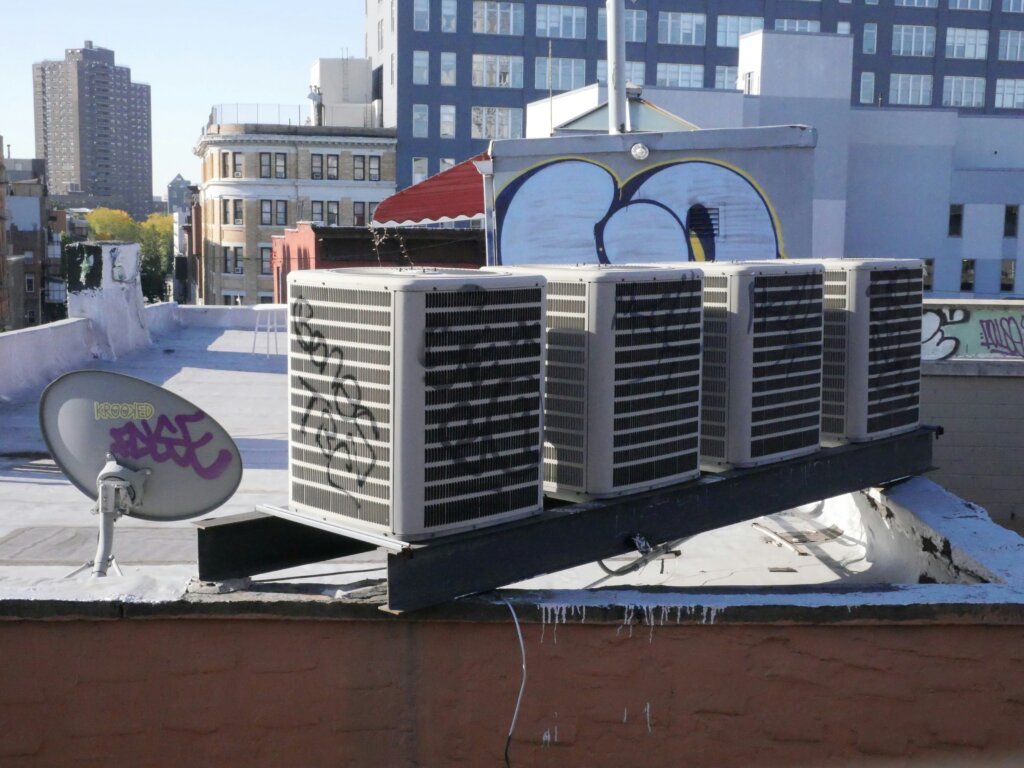
What Is HVAC Maintenance — and Why Does Saudi Arabia’s Climate Make It Non-Negotiable?
HVAC stands for Heating, Ventilation, and Air Conditioning. In most countries, “heating” is the priority. In Saudi Arabia, it’s almost entirely about cooling — and the stakes are uniquely high.
With summer temperatures often soaring above 50°C (122°F), the demand for effective cooling solutions becomes paramount, particularly in urban areas where population density is high and commercial activities are concentrated. Initial Saudi This means HVAC systems in Saudi commercial buildings don’t get the seasonal rest they receive in more temperate climates — they run continuously, often 24 hours a day, for months at a stretch.
Air conditioning accounts for 70% of residential electricity consumption MarkNtel Advisors in the Kingdom — and commercial buildings face an even heavier load. When a system running at that intensity doesn’t receive regular maintenance, component wear accelerates dramatically, energy consumption spikes, and the risk of total system failure increases with every passing week.
HVAC maintenance in Saudi Arabia, therefore, is not about ticking a compliance box. It is the primary defence against operational disruption, runaway energy costs, and equipment lifecycles that are cut short by years.
The Real Cost of Skipping HVAC Maintenance
Many facility managers treat HVAC maintenance as an optional expense — until they experience a breakdown. At that point, the true cost becomes clear.
A reactive repair call for a commercial chiller in Riyadh or Jeddah can cost three to five times more than the equivalent scheduled maintenance visit. Parts that fail due to neglect — compressors, evaporator coils, control systems — carry price tags that make annual maintenance contracts look like a bargain in hindsight. Then there is the secondary cost: business interruption. A hospital, data centre, hotel, or manufacturing facility that loses cooling for even a few hours faces consequences that far exceed any repair bill.
Predictive maintenance systems using machine learning can reduce maintenance costs by 40% and decrease unexpected breakdowns by 90% in facilities.MarkNtel Advisors Even without AI-level technology, a structured preventive maintenance programme consistently delivers a return on investment that reactive maintenance never can.
The bottom line: skipping scheduled HVAC maintenance in Saudi Arabia doesn’t save money. It defers costs and multiplies them.
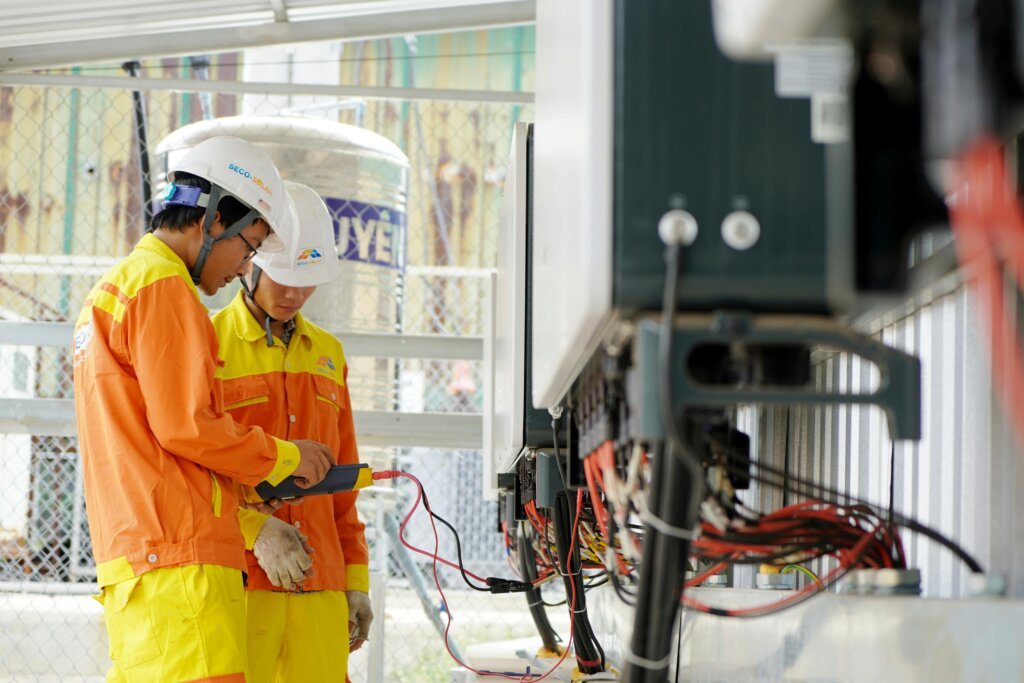
Types of HVAC Systems in Saudi Commercial Buildings
Before designing a maintenance programme, it helps to know what you’re maintaining. Saudi commercial buildings typically use one or more of the following systems:
Central Chiller Systems :The most common system type for large commercial buildings — offices, malls, hospitals. A central chiller produces chilled water that is distributed throughout the building via air handling units (AHUs). These systems are highly efficient at scale but require rigorous preventive maintenance across multiple interconnected components.
Split and VRF/VRV Systems: Variable Refrigerant Flow (VRF) and split systems are common in mid-size commercial properties, retail outlets, and mixed-use buildings. They offer flexible zoning but require per-unit maintenance across many individual indoor and outdoor units.
Packaged Rooftop Units (RTUs) :Commercial buildings dominate the rooftop HVAC units market, representing 45.2% of the broader HVAC market in Saudi Arabia, with demand concentrated in offices, malls, hotels, and other large-scale public spaces. Dun & Bradstreet Rooftop units are particularly vulnerable to Saudi Arabia’s extreme heat and dust — which makes their maintenance schedule more demanding than their counterparts in milder climates.
District Cooling Systems :Increasingly common in new commercial developments, particularly in Riyadh’s business districts and NEOM-related infrastructure. District cooling distributes chilled water from a central plant to multiple buildings. While the central plant is typically maintained by the district cooling operator, building-side distribution and AHU maintenance remains the facility manager’s responsibility.
The Recommended HVAC Maintenance Schedule for Saudi Commercial Buildings
This is where most buildings fail. They have a maintenance contract — but it covers too little, too infrequently. The following schedule reflects what commercial buildings in Saudi Arabia’s climate actually require.
Monthly Maintenance Tasks
- Replace or clean air filters (critical in dusty environments — sandstorms significantly accelerate filter clogging)
- Inspect and clean evaporator and condenser coils
- Check refrigerant levels and inspect for leaks
- Inspect electrical connections and controls for signs of overheating
- Test thermostat calibration and BMS integration
- Clean condensate drain lines (to prevent water damage and mould)
- Inspect fan belts and lubricate moving parts
- Log performance data: supply and return air temperatures, amperage readings, pressure differentials
Quarterly Maintenance Tasks
- Full coil cleaning (chemical wash for condenser coils)
- Compressor performance testing
- Refrigerant recharge if required
- Inspection of insulation on refrigerant lines
- Full electrical safety inspection
- AHU internal cleaning and fan blade inspection
- Cooling tower inspection (water treatment, blowdown, basin cleaning)
Semi-Annual Maintenance Tasks
- Full system performance audit against original design specifications
- Chiller tube cleaning (for central chiller systems)
- Duct inspection for leaks, blockages, or microbial growth
- Variable speed drive (VSD) inspection and calibration
- Energy consumption analysis — identify units consuming above benchmark
- Control valve and actuator testing
Annual Maintenance Tasks
- Full equipment condition report with asset lifecycle assessment
- Replacement of all consumables: belts, bearings, capacitors
- Refrigerant leak test to comply with Saudi Energy Efficiency Center standards
- Full BMS audit and recalibration
- Thermographic imaging of electrical panels and motor windings
- Review and update of the planned preventive maintenance (PPM) schedule
This level of maintenance is exactly what Seerah’s HVAC and air conditioning maintenance service delivers across commercial buildings throughout the Kingdom — with documented service reports after every visit.

HVAC Maintenance and Saudi Arabia’s Energy Efficiency Regulations
This is a dimension of HVAC maintenance that many facility managers overlook — and one that is becoming increasingly important.
In 2023, the Saudi government implemented the Energy Efficiency Program, which mandates regular maintenance and energy audits for HVAC systems in commercial buildings. This regulation aims to improve energy efficiency and reduce carbon emissions, thereby driving the demand for HVAC maintenance services across the country.
The Saudi Arabian government aims to reduce energy consumption by 30% by 2030, driving the demand for energy-efficient HVAC systems. Dun & Bradstreet For facility managers, this translates into a clear message: HVAC maintenance is not just about keeping the system running — it is about keeping it running efficiently, within the parameters that Saudi regulators are increasingly monitoring.
Poorly maintained HVAC systems consume 20–30% more energy than well-maintained equivalents. In a large commercial building, that difference represents hundreds of thousands of riyals in electricity costs annually — and rising exposure to regulatory action as enforcement tightens.
What compliance-focused HVAC maintenance includes:
- Energy consumption benchmarking against Saudi building energy codes
- Regular EER (Energy Efficiency Ratio) testing for all cooling units
- Documentation of maintenance activities for audit purposes
- Refrigerant management in line with Saudi Environmental Regulations
- Integration with the building’s energy management system (BMS/EMS)
For companies pursuing Green Building certification or reporting under the Saudi Green Initiative, a properly documented HVAC maintenance programme is a foundational requirement. As part of Seerah’s broader facility management services in Saudi Arabia, our HVAC maintenance documentation supports both internal audits and regulatory reporting.
How to Choose an HVAC Maintenance Provider in Saudi Arabia
The Saudi Arabia HVAC Maintenance Services Market is characterised by a dynamic mix of regional and international players Glorek — which means the quality gap between providers is enormous. Here is what to look for, and what to walk away from.
Green flags — what a good provider looks like
Documented PPM schedules. A professional HVAC maintenance provider will give you a written planned preventive maintenance schedule before the contract is signed — not a vague promise of “regular visits.” Each visit should produce a documented service report with readings, findings, and recommended actions.
ISO-certified quality management. Look for providers certified to ISO 9001 (quality management) and ideally ISO 41001 (facility management). These certifications mean maintenance processes are standardised, auditable, and consistent — regardless of which technician turns up on the day.
Multi-disciplinary FM capability. HVAC rarely exists in isolation. A chiller fault often has an electrical root cause. A duct problem might be connected to plumbing and drainage. Choosing a full-service facility management company in Saudi Arabia rather than a single-trade HVAC contractor means issues are diagnosed and resolved at the system level — not patched at the component level.
References from comparable buildings. An HVAC provider experienced in maintaining residential villas is not the same as one experienced in maintaining a 50,000 sqm commercial office tower or a hospital with 24/7 critical cooling requirements. Ask for sector-specific references.
Response time commitments. Your contract should specify emergency response times. In Saudi Arabia’s summer climate, a 4-hour response commitment for critical system failures is a reasonable standard. Anything vague — “we’ll respond as soon as possible” — is a red flag.
Red flags — when to walk away
- No written service report after each visit
- Technicians who cannot explain what they are doing or why
- Contracts that cover only labour, not replacement of consumables
- No energy consumption tracking or benchmarking
- Inability to provide ISO certification or regulatory compliance documentation
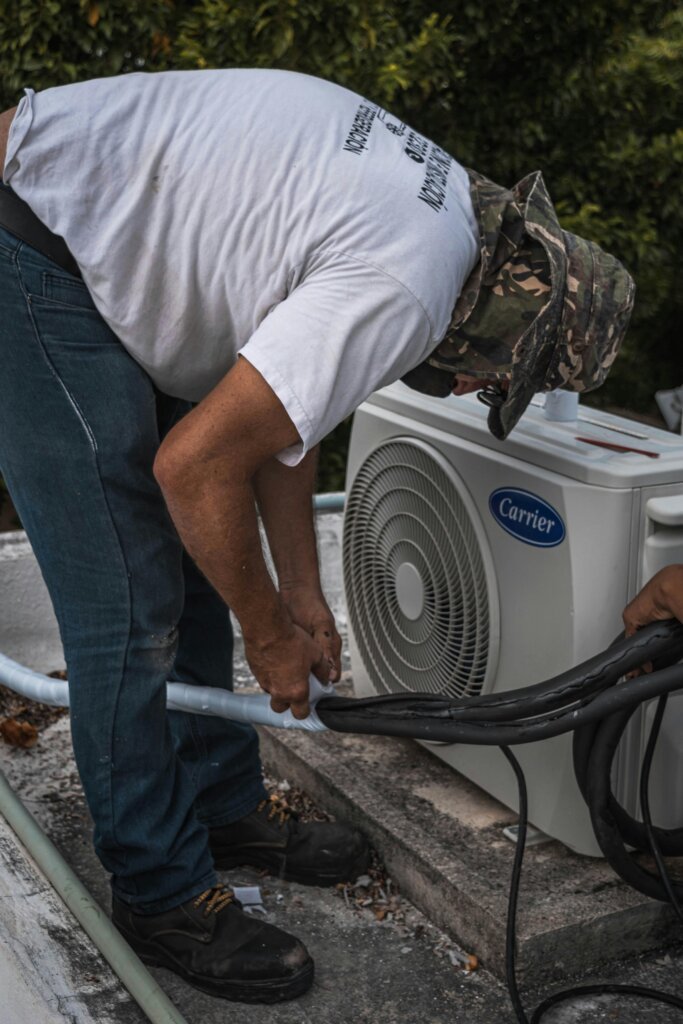
HVAC Maintenance Costs in Saudi Arabia: What to Expect
One of the most common questions facility managers ask is: what should HVAC maintenance cost? The honest answer is that it depends on system type, building size, and scope of coverage — but the following benchmarks provide a useful starting framework.
| Building Type | System Type | Approx. Annual AMC Cost |
| Small office (up to 500 sqm) | Split/VRF | SAR 8,000 – 18,000 |
| Mid-size commercial (500–5,000 sqm) | Central AHU or VRF | SAR 25,000 – 80,000 |
| Large office tower (5,000–30,000 sqm) | Central chiller | SAR 90,000 – 300,000 |
| Hospital / data centre | Critical cooling systems | Bespoke (typically SAR 300,000+) |
| Retail mall | Multiple systems | SAR 200,000 – 600,000 |
Note: These are indicative annual maintenance contract (AMC) costs for planned preventive maintenance. Emergency call-out costs, parts replacement, and refrigerant top-ups are typically billed separately unless included in a comprehensive AMC.
The most cost-effective approach for large commercial portfolios is an integrated AMC that combines HVAC maintenance with other mechanical and electrical services — reducing the overhead of managing multiple contractors and creating accountability for whole-building performance.
Smart HVAC Maintenance: The Future Is Already Here
AI-powered HVAC systems analyse occupancy patterns, weather data, and usage history to automatically adjust temperatures, cutting energy consumption by 20–35% while maintaining optimal comfort levels.
Saudi Arabia is not waiting for the smart building revolution — it is leading parts of it. NEOM and other giga-projects are being designed from the ground up with IoT-integrated HVAC systems that generate continuous performance data. For facility managers of existing commercial buildings, the transition to smarter maintenance is increasingly accessible.
IoT-enabled HVAC monitoring uses sensors installed on key components to transmit real-time performance data to a central dashboard. Facilities management teams can monitor multiple buildings’ HVAC performance from a single screen — with automated alerts when any parameter falls outside acceptable ranges.
Predictive maintenance takes this further: algorithms analyse historical performance data to identify patterns that precede equipment failures. Rather than servicing on a fixed schedule, technicians are dispatched when data indicates a component is approaching the end of its reliable performance window. Machine learning algorithms can predict equipment failures 2–4 weeks in advance, reducing maintenance costs by 40% and decreasing unexpected breakdowns by 90% in facilities.
For most commercial buildings in Saudi Arabia, the path to smart HVAC maintenance begins with one practical step: ensuring your current AMC includes performance data logging and monthly energy reporting. This creates the baseline data that any future smart system will build on.
HVAC Maintenance by City: Key Considerations Across Saudi Arabia
While the core principles of HVAC maintenance apply Kingdom-wide, local conditions create city-specific priorities.
Riyadh: As an inland desert city, Riyadh experiences the most extreme summer temperatures and the highest levels of dust and sand infiltration. Filter replacement frequency should be increased during shamal (dust storm) season. Condenser coils on rooftop units require more frequent cleaning than in coastal cities.
Jeddah: The coastal humidity in Jeddah creates a different set of HVAC challenges. Condensate drainage systems must be checked more frequently to prevent mould growth. Salt-laden air accelerates corrosion on external components — coil coatings and protective treatments are particularly important.
Dammam and the Eastern Province: The combination of industrial pollution, coastal humidity, and extreme summer heat makes the Eastern Province one of the most demanding environments for HVAC systems in the Kingdom. Buildings in the petrochemical and industrial corridors should factor in increased inspection frequency for components exposed to chemical particulates.
NEOM and emerging developments: New commercial developments across the Kingdom are being designed to higher energy efficiency standards. HVAC maintenance in these buildings must align with both the building’s BMS protocols and the developer’s sustainability reporting requirements.
Step-by-Step: How to Set Up an HVAC Maintenance Programme for Your Building
If your building currently has no structured maintenance programme — or one that is clearly inadequate — here is how to establish one correctly.
Step 1: Asset inventory and condition audit Before any maintenance programme can be designed, you need a complete inventory of every HVAC asset in the building — make, model, installation date, current condition, and last service date. A professional FM provider will conduct this audit before designing your PPM schedule.
Step 2: Define criticality levels Not all HVAC assets are equally critical. A server room cooling unit is more critical than a meeting room split unit. Criticality levels determine response time commitments and inspection frequency for each asset category.
Step 3: Design a PPM schedule Based on the asset inventory and criticality assessment, design a written planned preventive maintenance schedule covering monthly, quarterly, semi-annual, and annual tasks for each asset category.
Step 4: Select a qualified FM provider Issue a brief scope of works based on your PPM schedule, and request proposals from qualified facility management companies in Saudi Arabia. Evaluate on technical capability, certification, references, and responsiveness — not on price alone.
Step 5: Implement with a service reporting system Every maintenance visit must generate a written service report. This report should include: work performed, condition of key components, any defects noted, recommended corrective actions, and next scheduled visit date.
Step 6: Review performance quarterly Your AMC should include a quarterly performance review meeting where the FM provider presents energy consumption data, breakdown frequency, open defects, and any recommendations for equipment replacement or upgrade.
Seerah’s team manages this entire process for commercial building clients across Saudi Arabia. If you’d like to discuss setting up a structured HVAC maintenance programme for your facility, contact our team for a free consultation.

Key Takeaways
- HVAC maintenance in Saudi Arabia is more demanding than in any other climate — systems run longer, harder, and in harsher conditions
- Reactive maintenance costs 3–5x more than preventive maintenance for equivalent repairs
- Saudi government Energy Efficiency regulations now mandate regular maintenance and energy audits for commercial HVAC systems
- Monthly, quarterly, semi-annual, and annual maintenance tasks are all necessary — not optional
- Choosing an ISO-certified, multi-disciplinary FM provider offers significantly better outcomes than single-trade HVAC contractors
- Smart HVAC maintenance using IoT and predictive analytics is rapidly becoming the standard, not the exception